
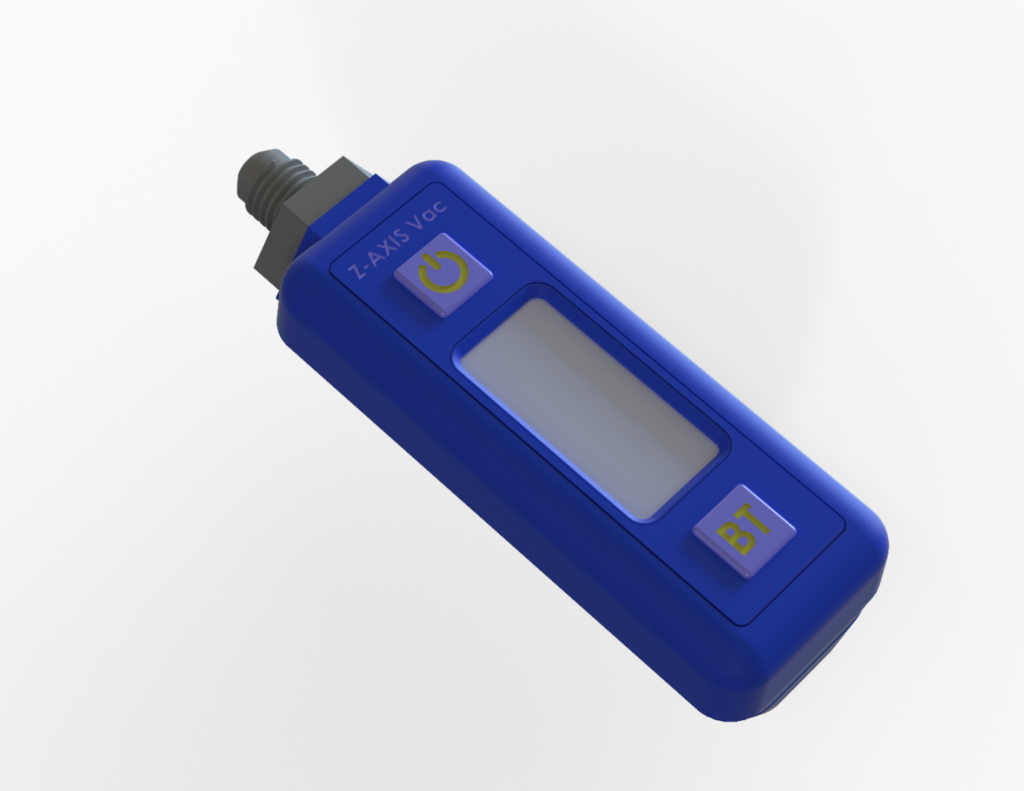
Most board-level interfaces in OEM products rely on traditional connectors, sockets, ZIFs, spring-loaded pins, or soldered terminations.
In high-volume applications, these become a liability.
- Mechanical connectors wear over time
- Solder joints fatigue under vibration and thermal cycling
- Pin-based systems introduce alignment and tolerance stack-up challenges
For products that require long-term reliability and consistent performance, these failure points are often built into the design from the start.
A Direct-to-PCB Alternative
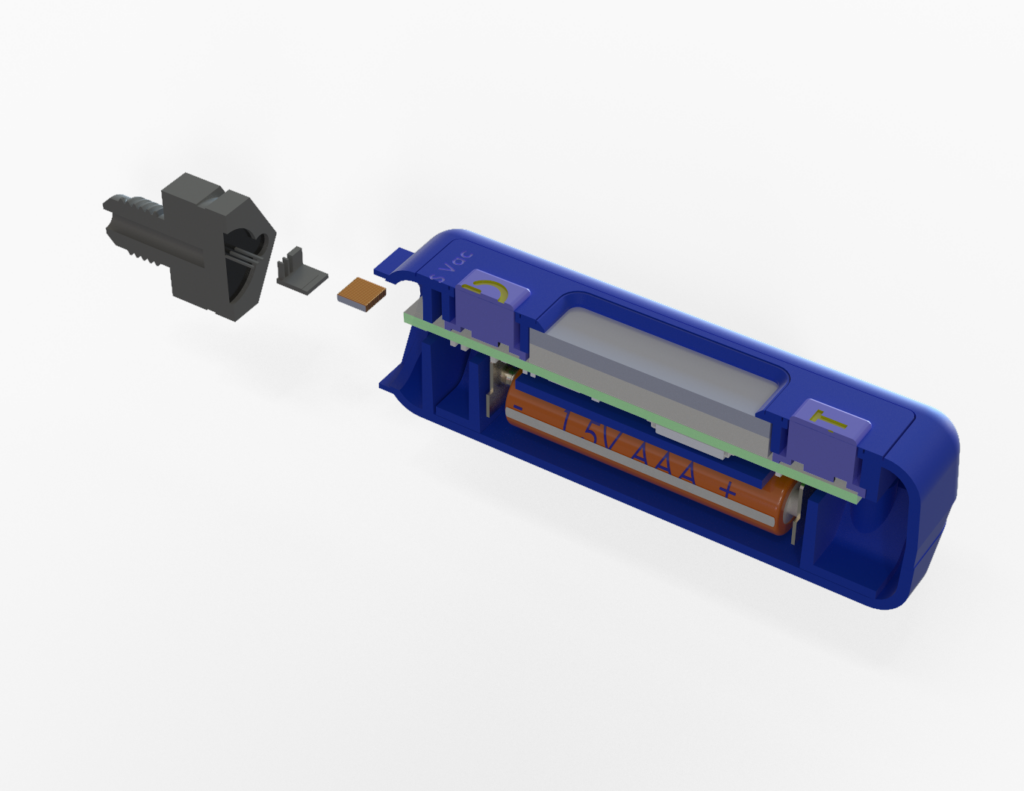
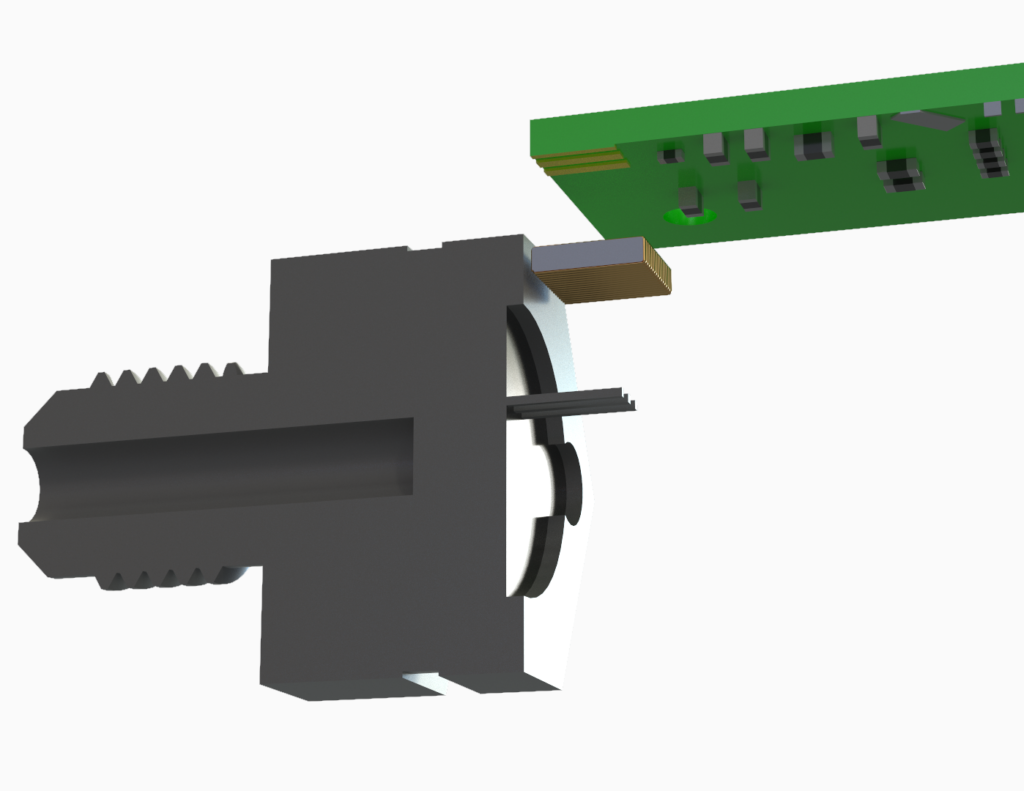
Elastomeric connectors replace traditional mating systems with a compression-based electrical interface.
Instead of relying on pins or solder joints, electrical contact is made through conductive layers embedded within a silicone matrix. When compressed between two surfaces, the connector conforms to the interface, creating multiple parallel contact paths.
This enables a direct-to-PCB connection between components such as:
- Panel-mount sensors and feedthrough devices
- Board-to-board interfaces
- Embedded modules and subassemblies
No sockets. No mating cycles. No wear surfaces.
Designed for High-Volume Production
For OEM applications, manufacturability is just as important as performance.
Elastomeric connectors simplify the assembly process:
- Installed via compression using a housing or clamp
- No soldering required
- Reduced component count
- Faster assembly time
Because the connector is not permanently attached, systems can also be serviced or reworked without damaging the PCB or interface components.
This approach scales efficiently in high-volume production environments where consistency and throughput are critical.
Performance in Demanding Environments
Elastomeric connectors are particularly effective in applications exposed to:
- Shock and vibration
- Thermal cycling
- Mechanical misalignment
- Harsh or variable environments
The compliant nature of the material allows it to absorb variation while maintaining stable electrical contact. Silicone provides long-term durability, chemical stability, and resistance to environmental degradation.
A Better Interface for Modern Designs
As OEM products become more compact and performance requirements increase, traditional connectors often limit design flexibility.
Elastomeric connectors offer:
- Lower profile interconnects
- Improved tolerance to alignment variation
- High cycle reliability without mechanical wear
- Scalable solutions for both prototyping and production
Typical OEM Application
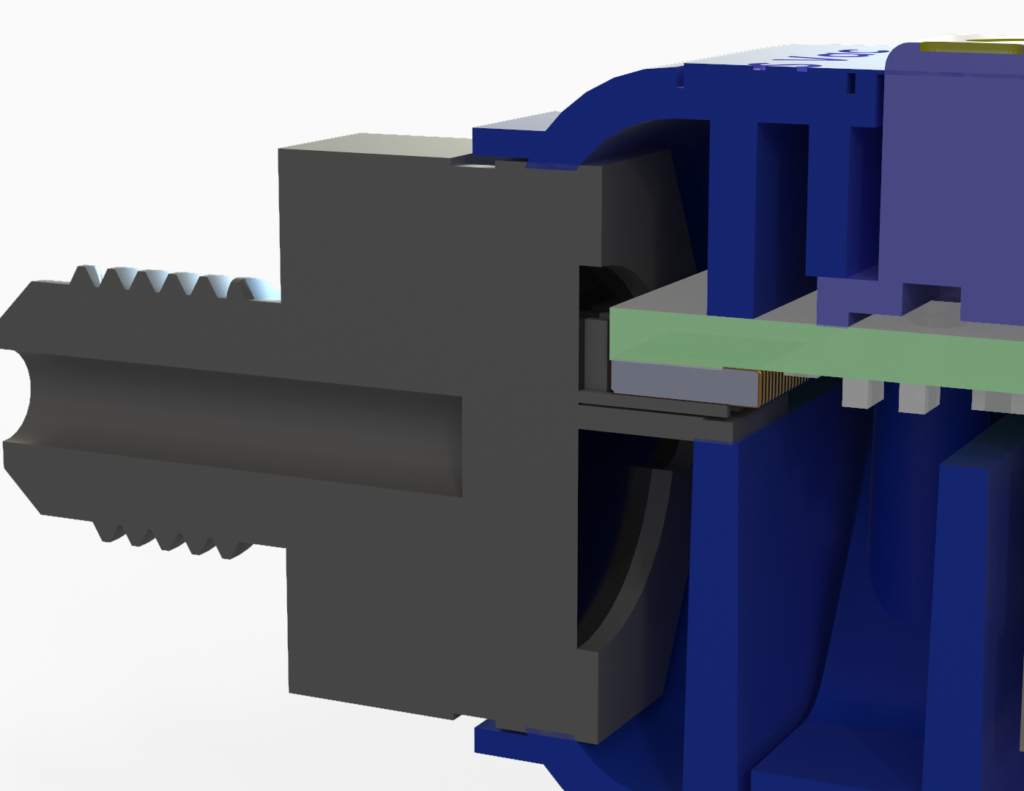
Elastomeric connectors are used in a wide range of production systems, including:
- Sensor interfaces and panel-mounted devices
- LCD and display interconnects
- RF and castellated edge connections
- Audio components and compact electronics
- Industrial and portable devices exposed to vibration
Conclusion
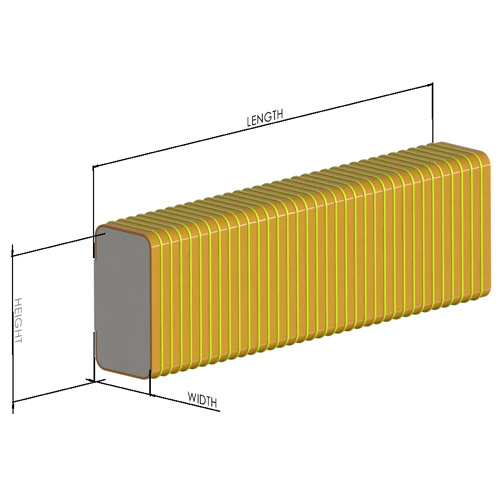
For high-volume OEM applications, the interconnect should not be the weakest link in the system.
Elastomeric connectors provide a reliable, repeatable, and scalable alternative to traditional connector systems. By eliminating mechanical wear points and simplifying assembly, they enable more robust designs and more efficient manufacturing.